
What’s The Story, Muthur?
To the point, tabletop gaming
Popular Posts



11 TTRPG Ideas So Cool You’ll Want Them in Every Game
Hello, my name is JimmiWazEre and I have a problem, I’m a TTRPG-aholic. My Kallax shelving unit groans like a zombie under the weight of more TTRPGs than I’ll ever get to play.

By JimmiWazEre
Opinionated Tabletop Gaming Person
Hello, my name is JimmiWazEre and I have a problem, I’m a TTRPG-aholic. My Kallax shelving unit groans like a zombie under the weight of more TTRPGs than I’ll ever get to play.

However, when I’m not crying about this with the full bodied tears of an otherwise emotionally stunted Englishman watching the end of Marley & Me, I’m reading those TTRPGs - partially dreaming of the campaigns I’d like to run with them, but also scouring them for juicy mechanics, like a teenage fridge invader getting home at 2am following a night on the lash.
Phew, that was a lot of similes planted for comic effect. I think I may have been momentarily possessed by Jeremy Clarkson. Terrifying thought.
eleven RPGs that I own, and my favourite mechanic from each
Lets go with alphabetically ordered by system title. That sounds fun. See? You’re having fun already.
Whilst I’m not necessarily going to go into a full explanation of how each mechanic works - some are a little too complex for that, if you value my work and like the sound of any of these, please pick up a copy to checkout yourself using the affiliate links provided. I’ll earn a small kickback for every sale at no extra cost to you, and it enables me to feed my completely healthy and normal TTRPG addiction.
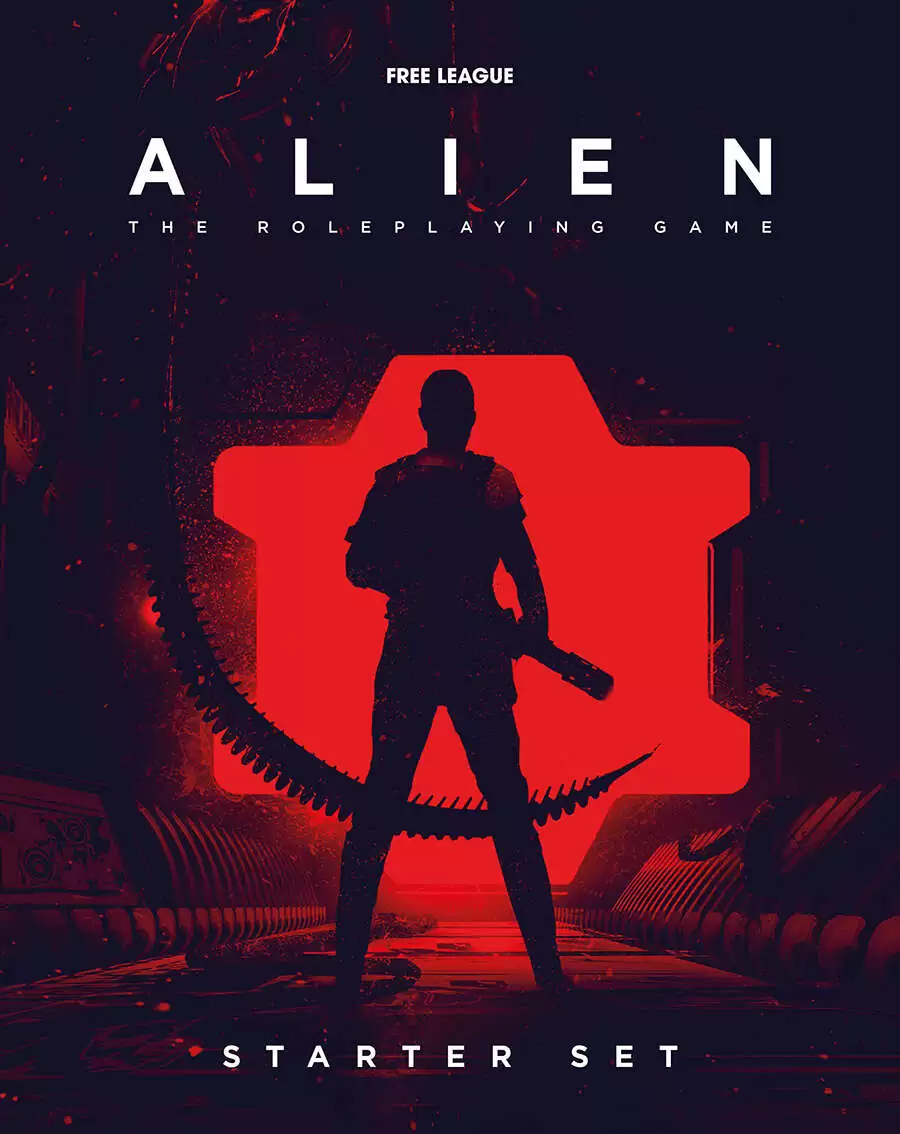
Game 1) Alien RPG - Stress Dice
Based on the classic franchise by legendary director Ridley Scott, Alien RPG* uses a dice pool mechanic for it’s ability checks, whereby the more dice you roll, the more chance of success you have.
I really like stress dice. Typically the dice you roll to test abilities are black d6s, and any value of 6 is a success. As the trauma of the adventure piles on, your characters acquire stress dice, which are yellow d6s. These have to be rolled alongside any normal ability dice roll, and they work in the same way as the black dice: 6s are still successes, however any roll of 1 on a yellow dice means that your character has to make a panic check, the subsequent panic result may mean that your action has failed regardless of other successes. Depending on the timing, this can really ratchet up the games tension.
Now, what’s cool about this is that it very cleverly uses elegant game mechanics to support the narrative idea that with a bit of stress your characters can perform better, but with too much stress they will crumble under the pressure.
Take a bow, Free League Publishing #ChefsKiss
*There’s a new edition of this game currently in development, having completed crowdfunding recently, however the original content such as the excellent starter set adventure linked above is all compatible with minimal tweaking. The Stress Dice mechanic is being carried forwards into the new edition.
Game 2) Blades in the Dark - Progress Clocks
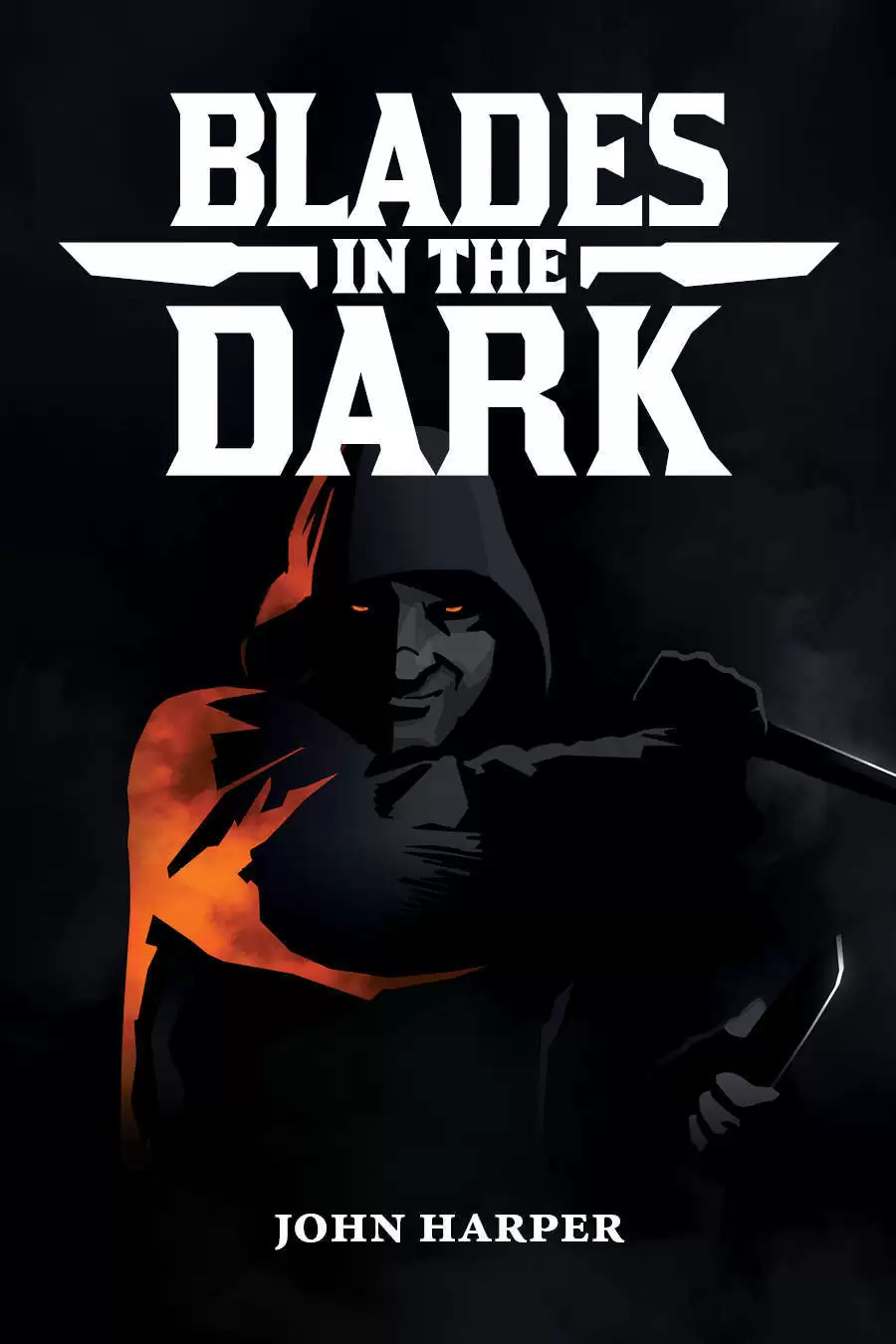
Progress Clocks may have originated in Apocalypse World, but Blades in the Dark popularized them and that’s what I’ve got on my shelf, so here we are.
I actually wrote a much more detailed piece on Progress Clocks recently. The idea here is that complicated or significant events within your game should A) Be telegraphed to your players, and B) shouldn’t boil down to a single dice roll because that robs them of their climax by failing to build towards it.
Instead, you draw up a Progress Clock and mark off segments from it as the named event in question becomes closer to passing. Many things can cause you to mark off a segment - actual real time, game time, close calls in game, errors in game, GM fiat, successes in game… all sorts.
The crucial thing is that no single one of these is the absolute cause of the clock being completed and the event coming to pass, and the tension is dragged out for maximum effect.
Game 3) Brindlewood Bay - Character Theories
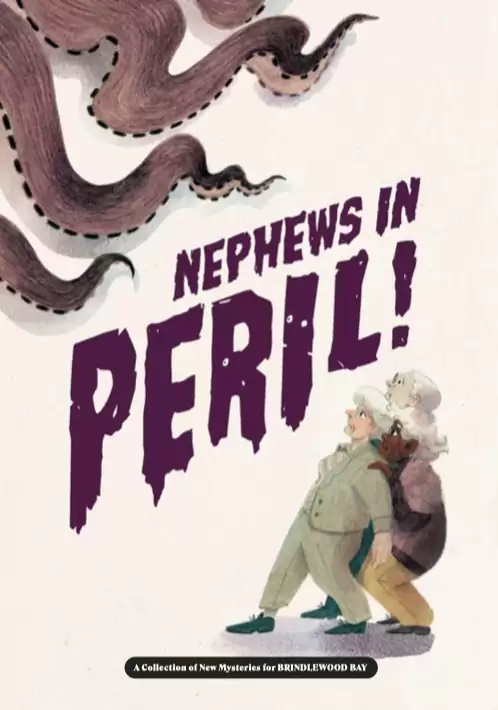
Last week’s viral piece was actually all about how this mechanic inspired me when looking for a solution to running a game based on the series From, so for more detail on that, please head over there. In a nutshell, Brindlewood Bay is a Mystery game that turns your players table theories about the central conspiracy into the realities of the game’s narrative at your table. Whatever they think the big conspiracy is, as long as it checks out and passes some checks, then that’s what it is - no more complicated prepping for the GM, just turn up with a gist and some vibes!
Anything that makes the GM’s life easier gets a double Fonzy thumbs up from me, but more than that - no more players becoming super frustrated that they’re unable to piece together some interwoven mystery exactly as was intended.
Quite possibly a very powerful tool in the GM’s box.
Game 4) Call of Cthulhu - Chase Scenes
I remember first learning about this mechanic whilst watching a Seth Skorkowsky video well before I owned Call of Cthulhu, it’s probably one of the earliest examples of me taking a great mechanic and pondering long and hard about how best to port it to other systems.
The problem with most games is that chase rules barely exist, and consequently people default to trying to simulate them using player stats. In something like D&D, movement speeds are all set by race. So if your chase is just you running and dashing, and then your pursuer doing the same all while under turn based initiative - it’s not exactly exciting is it, and the outcome is predetermined.
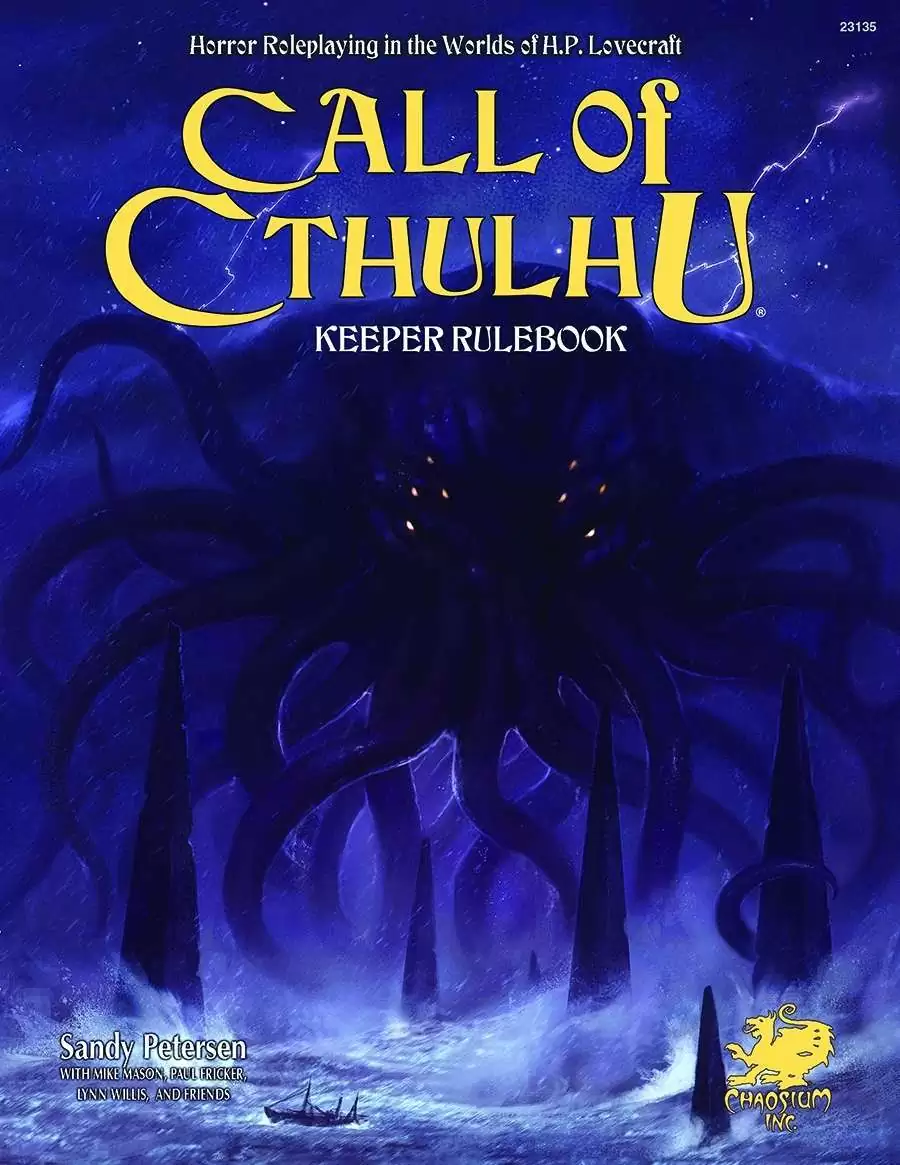
Cthulhu changed this, each actor starts off making a couple of rolls cross examining their stats to determine their chase speed, then you reduce the lowest actor’s chase speed from n to 1 and reduce the remaining actors speeds by that same amount.
The calculated value is the number of points a given actor may move this round. Chase scenes are an abstracted mini game unto themselves with all actors tracked on a kind of point crawl where the final point represents a successful escape. With interesting obstacles on most points requiring ability checks, faster players may find themselves stalled trying to clear a muddy swamp, allowing time for slower actors to catch up.
And that’s not all, the point crawl doesn’t need to be linear, you can have branching paths, so a shorter route might contain a difficult skill check, where a longer route might be clear. Makes for interesting choices.
The whole experience feels just like the horror movies that the system is trying to replicate.
Game 5) D&D 5e - Advantage and Disadvantage
As much as ‘Lizards Ate My Toast’ gets a chunk of stick from people, and fairly so in my opinion, D&D 5e is built upon a reasonably robust roll over d20 + mods system. Supporting this, by far the most elegant mechanic is Advantage and Disadvantage.
Rolling two dice and picking the best/worst result is such a neat way of stacking the odds one way or another that I generally find myself house ruling it into every game I run.
Gotta give them credit for that, even if it’s personally getting more and more difficult to give that particular corporate entity much credit at all lately.
Game 6) EZD6 - Make up your own Magic spells
I’ve always enjoyed the idea of removing limitations set by the game system over what actions you can take. For me, that’s one of the greatest joys of TTRPG play. Naturally, the idea of spells that you can make up yourself on the fly sits happily within that zone, but it usually comes with a cost.
Balance. Now, I don’t care much for encounter balance, but I do want characters to be balanced - I appreciate that there’s a nuance there. It’s always a sign of a failed system when a character just performs the same action over and over again because it’s so powerful that nothing else is necessary - the game quickly becomes stale and it’s because of poor character balance.
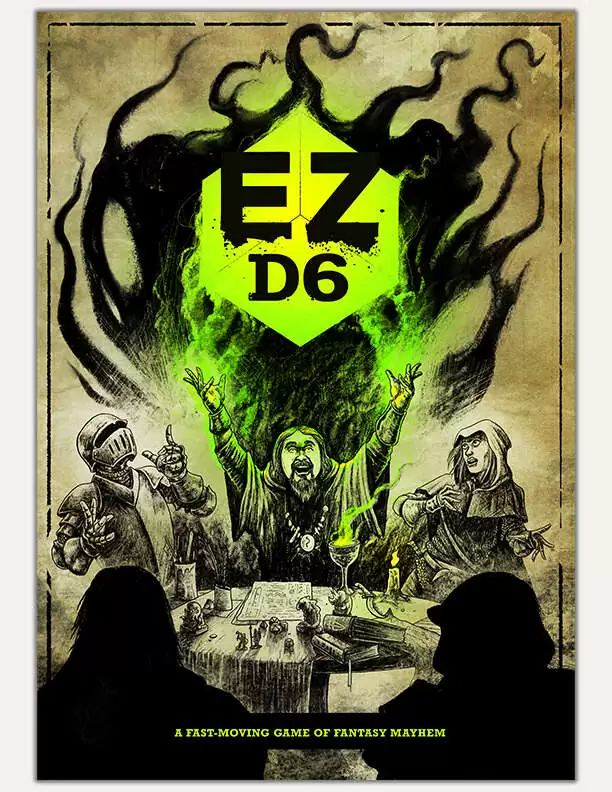
I think EZD6 manages to have it’s cake and eat it in this respect, because while magic is freeform and imaginative, its power is kept in check by the game’s streamlined damage system.
Most successful attacks only inflict a single wound. That means no spell becomes a go-to nuke, encouraging variety and creativity. The GM can always reward particularly clever or situationally appropriate spells (like using water magic against a fire creature) with extra impact, but the limited pool of Hero Dice and the Ruling over Rules philosophy ensures that balance stays firmly in the GM’s hands.
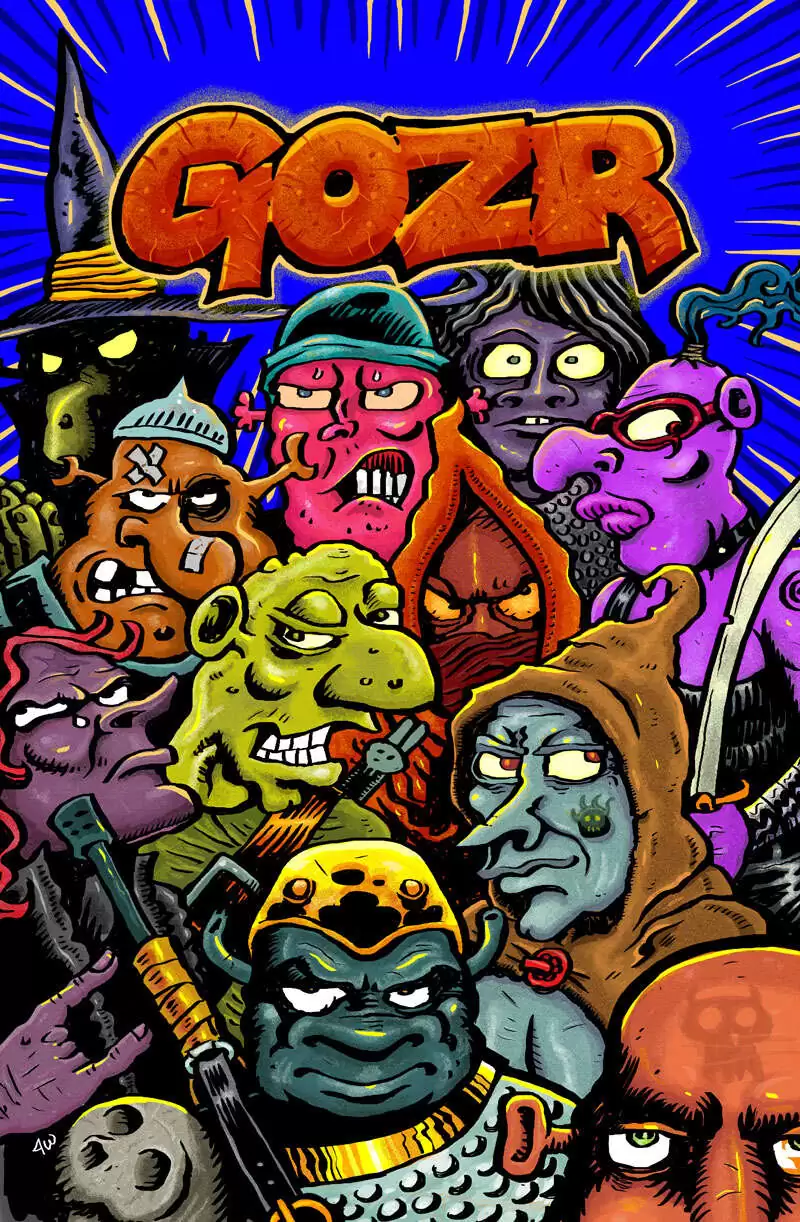
We all want our players to enjoy the games that they play with us, that’s why it’s nice that GOZR has the Death or Debasement mechanic: When your Gooz would die, the player picks if they would rather their Gooz is knocked out for the combat instead. If so, they take a pretty significant permanent debuff, representing a serious injury.
For those valiant few that elect to accept their fate and take the path that Grom intended, they get a buff to their next Gooz as a reward.
This is cool, because consequences, player choice, and agency are fully respected here leading to a situation where nobody gets an outcome that they’re unhappy with.
If you want to know more about GOZR, I wrote a little opinion piece on it a while ago, which includes a free cheat sheet also made by me. I’m also making progress on a compatible one-shot adventure, which will be published in a few months time.
If I have one mission in life, it’s to put GOZR in the hands of more people!
Game 8) Index Card RPG - Encounter Timers
I remember watching a video about encounter timers on Runehammer before he’d even released ICRPG.
The premise is that the absence of urgency is the enemy of interesting environmental exploration. Players with unlimited time to clear a room rapidly turn the game into a by-the-numbers snooze-along, because they’ve always got, and therefore will nearly always take the safe option of taking their time and doing everything carefully.
Exactly unlike any good action movie ever.
Come on now - Sometimes players just need poking, if only to save them from themselves!
Similar to progress clocks above, but much more focused and simple - ICRPG says that whenever characters enter a new room, the GM rolls a d4 and puts it out on the table. This represents how many rounds they have until ‘something bad happens’. It’s key that the players know the bad thing is coming, else they will miss the urgency, but you shouldn’t tell them exactly what it is - they should use their investigation skills to work out for themselves to see if they can nip the crisis in the bud, or else work on getting out of this room and onto the next as soon as possible.
The game itself lays out a menu for the GM on some suggested ‘bad things’, but encourages you to make up your own, whilst advising that not all ‘bad things’ should be fatal.
Now the action is coming in from all sides and the session is a non-stop thrill ride, huzzah!
Game 9) Mausritter - Pip Inventory System
Hands down, in my opinion, Mausritter* has the best inventory system of any TTRPG. So good that the first homebrew rule on this site was shamelessly ripped straight from it without remorse.
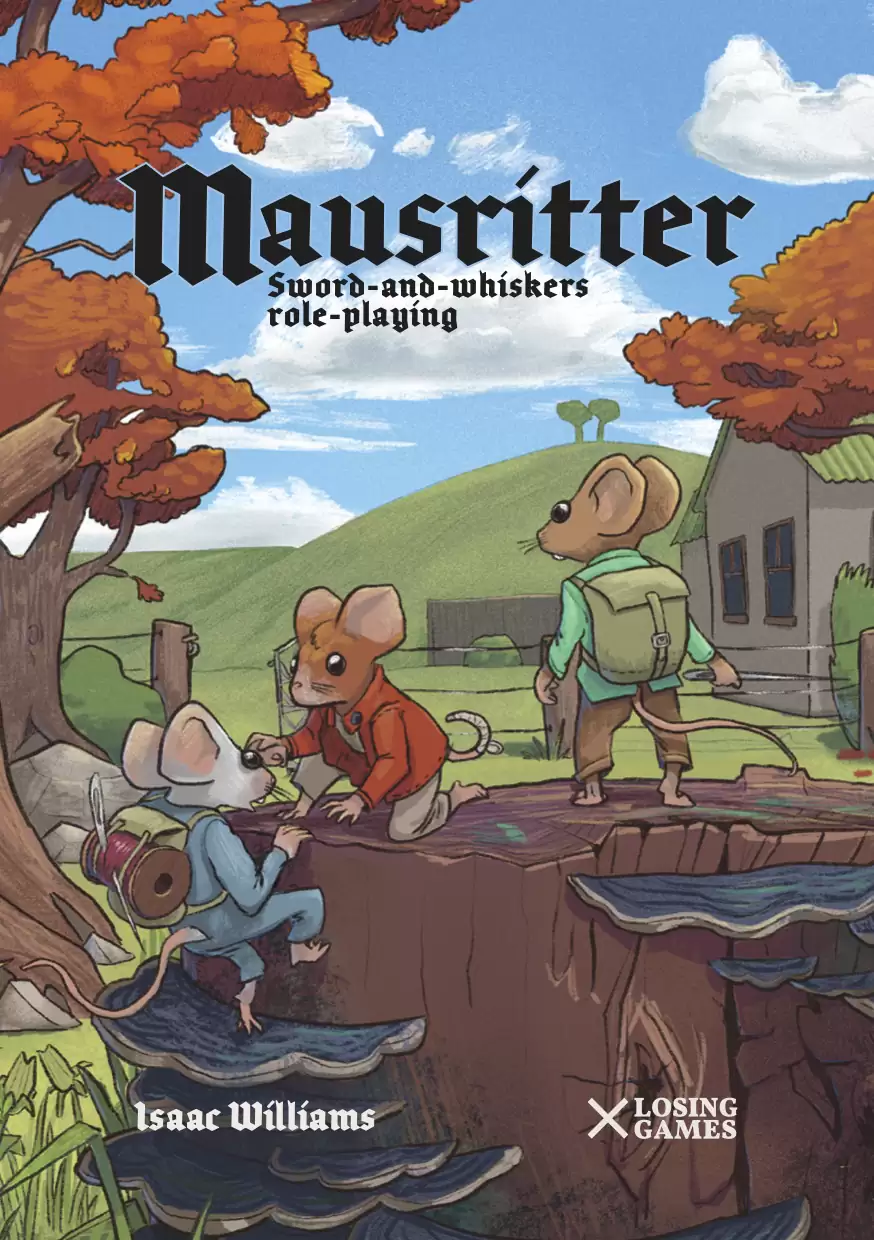
There’s two sides to this, firstly, each item in your inventory takes up a physical space on your character sheet, based off a gridded system. In the game, as you acquire wounds or other status changing conditions you represent those in the same area. This means that the mechanics are beautifully representing the narrative that the more FUBAR’d you are, the weaker you become and the less loot and gear that you can haul around with you.
Secondly, each item is printed on glossy paper than can be written on with dry wipe markers, this is so that you can fill in the pips on each item to abstractly reflect their dwindling quality or quantity. Rolling to check if they depreciate after use is a fair way to make sure that the in game economy keeps turning over and ensures that gear isn’t just a set it and forget it deal.
Really elegant, and a true masterclass in game design.
*Even better, Mausritter PDF is pay what you want, which means you can pick it up for free from the link above!
Game 10) Mothership 1e - Telegraphing Monster Attacks
This is one of those huge game changing mechanics for me that I use all the time in other systems. It seems so counter intuitive, and yet in practice works absolutely brilliantly.
The bizarre thing is that Mothership 1e* is not overtly explicit about this rule, and instead offers choices to the GM depending on which core book your reference, which in turn comes across more as inconsistencies in the rules!
But that truth bomb aside, don’t let that dissuade you. With the help of community engagement from the author, Sean McCoy, Mothership 1e has been demystified and what lies beneath is a brilliant game with a fantastic mechanic that both allows you to represent truly deadly and terrifying monsters to your player characters, but also keeps agency and control firmly in the hands of the players to avoid that feeling of GM fiat deciding that you are now dead.
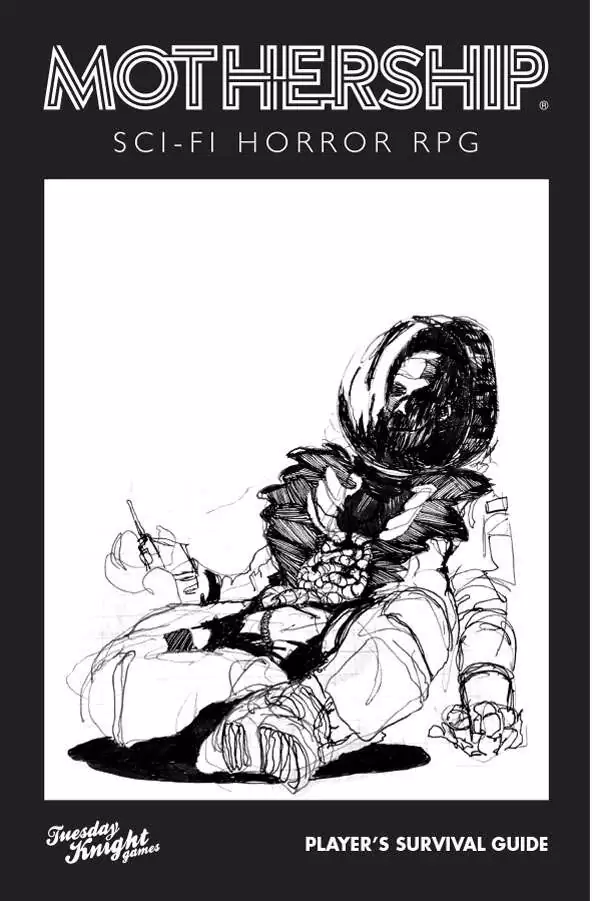
In Mothership, the monsters do not roll to hit, simply they roll to damage - often with devastating impact. To counter this, at the start of a round, you tell your players exactly what it is that the monster is going to attempt to do this turn unless they change the situation. Some players may chose to stand their ground and duke it out, others might attempt to diffuse the danger.
For example:
GM: “Terry, the Xenomorph snarls at you from down the corridor. It is about to run and jump upon you, with the intent of clawing at your chest.”
Terry: “Can I jump into the laundry chute just off to my side to avoid this?“
GM: “I sure hope so, make a roll for me“
Terry: “Success!“
GM: “Phew that was close, you dive into the chute just as the Xenomorph lands with an elegant clatter at the position you just occupied“
For me this is a fantastic balance between deadly monsters and avoiding gotcha moments for the players. If you want to read more about this and an extra house rule I apply to avoid GM Conflict of Interest, you should check out this post.
*Mothership 1e PDF is pay what you want, which means you can pick it up for free from the link above!
Game 11) Shadowdark - Real Time Torch Timer
If you’ve ever tried to run an old school dungeon crawl, with proper turn counting and resource tracking for things like light and magic effects, you should be able to empathise here.
Now I’m not saying that this original method is bad, please keep your pitchforks secured away in your overhead lockers, but for me and for my players we struggle to adapt from the freeform style we’ve grown accustomed to, towards the more bookkeeping heavy style which requires segregating the gameplay into smaller turn chunks and recording dwindling resources per turn.
So a very cool initiative for me was Shadowdark’s* use of real time to track how long a torch will last in a dungeon using a timer on your smartphone.
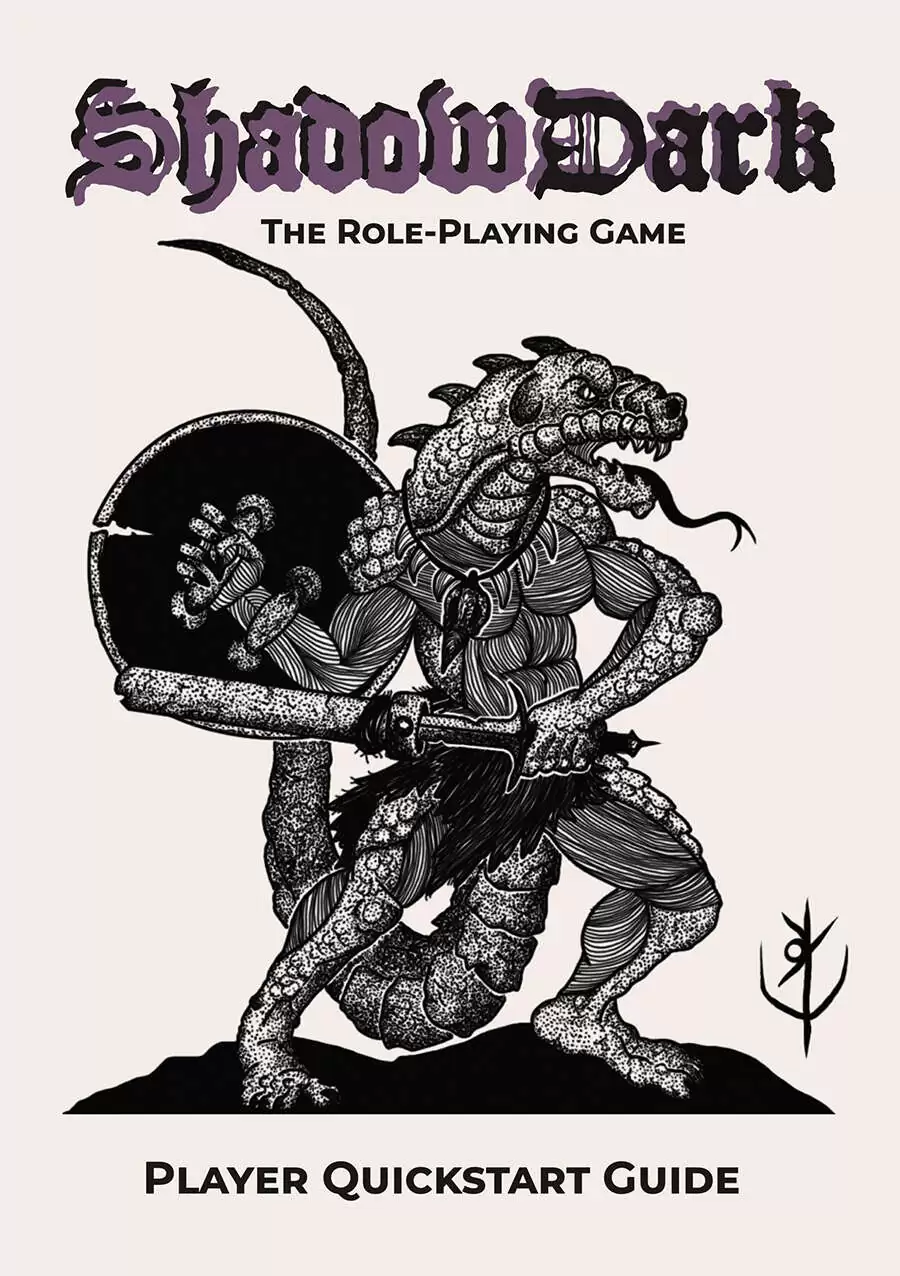
In fact this mechanic has inspired two articles from me, in one, I developed an Android app and give it away for free which uses randomised real time within a given range, to remind the GM to roll for a random encounter when an alert sounds.
In the second, I discuss using real time as an ever dwindling currency at the table, inspired by the film “Lifetime”.
*The quickstart guide is available for free at the link above!
Conclusion
There you have it. Which do you think sounds best? Which of these mechanics would you steal for your own game? Got one I missed? Drop it in the comments, I'd love to check it out.
Hey, thanks for reading - you’re good people. If you’ve enjoyed reading this, it’d be great if you could share it on your socials, and maybe think about subscribing to the Mailer of Many Things for monthly updates from DMT straight to your inbox! If you’ve still got some time to kill, Perhaps I can persuade you to click through below to another one of my other posts? Either way, catch you later.
This post contains affiliate links



The Rusted Colossus 02: | How to make Art Assets Without Being An Artist
Alongside other life things, the Rusted Colossus has been ticking away steadily in the background, and the greatest advances forwards have been in making art assets for the adventure, so that’s gonna be the topic of today’s dev diary.
By JimmiWazEre
Opinionated Tabletop Gaming Person
Now then.
Alongside other life things, the Rusted Colossus has been ticking away steadily in the background, and the greatest advances forwards have been in making art assets for the adventure, so that’s gonna be the topic of today’s dev diary.
Before I begin though, If you have no idea what the Rusted Colossus is, I strongly suggest you start with this article and then come back to this. I’ll wait - it’s OK :)
Now I want to make it quite clear that I’m not an artist, nor do I have the kind of talent of GOZR’s creator - JV West. However GOZR’s art style is simple enough for me to be able to produce something that hopefully doesn’t look too out of place. Albeit with a process that takes time and research.
So, if it doesn’t sound too presumptuous of me, I thought I’d share my process today for creating art assets. Maybe it might be interesting and informative for some of you folks? And, who knows, maybe an actual artist will read this and be able to dish out some advice if I’m making any glaring errors.
Pencil and Paper, in front of the TV with the Dog
If you’re like me, then you can’t hold mental images in your head for longer than a couple of seconds before they start fading and blurring away like sand falling between your fingers. Maybe that’s normal, maybe it’s not? All I know is that it’s my normal, and we all work with what we’ve got.
To combat this, I like to start by looking at lots of pictures, particularly if its something really complicated. The titular Colossus for example, involved looking at lots of Gundam, Warhammer 40k, and Battletech art and miniatures - grabbing all the ones I liked and then keeping images of them to hand on my phone.
Then, typically sat in front of the TV with the family, I crack out my mechanical pencil and my recycled paper A5 notepad and I start free hand transferring those basic shapes to paper, tweaking and making my own changes as I go.
Drawing lightly, and using an eraser frequently, I’ll eventually come up with something pretty sketchy which works for me. At this stage, it’s just simplistic shapes and forms really.
I found an early image of my Sand Shark, and I’m hesitant to share it because at this stage in its lifecycle looks like such garbage - but transparency is king haha.

Accomplished artists would probably have something to say about technique here I suppose. Seriously, look at that thing! Do I seem like a guy that has anything valuable to say about techniques?
Black Lining and Juicey Details
This is my favourite step actually, I like to use a Tombrow double headed water based marker (purely as it’s the cheapest one I could find in the art shop that looked suitable). Using the fine head, I very steadily and deliberately start going over my lines. I’m not copying them exactly at this point, but rather taking the time to add texture, gribblies, and the little bumps and ridges that kick an illustration up a notch.
I enjoy this step so much because it’s really not difficult, and the difference it makes to the illustration is like night and day in terms of quality.
I also like to add the heaviest shadows at this stage too, assuming the ‘sun’ is in the top left usually. Normally because I’m digging the process by this point and getting a bit too carried away and ahead of myself, but any mistakes can be resolved later.

I also added some of the accompanying text here too, but more often than not, I like to draw separate elements of an illustration on a separate sheet.
Getting It on the Computer (The Digital Bit)
I have a combination printer/scanner which I use to import my illustrations on to my computer, and an old copy of Photoshop (before they went subscription) where I do my editing.
If you’re looking to follow my methods and you lack these things, you could use freeware like GIMP instead of Photoshop, although you’d have to do your own research on how it works. Likewise, instead of a scanner, you could take a photo of your art and then email it to yourself.
Using Photoshop, like a Noob
OK, I’m not a Photoshop guru by any stretch. I picked up a copy years ago, and I used it for the absolute basics. Typically, I end up learning how to do something cool with it, and then not needing it for months at a time and forgetting everything. The joys of getting old.
Some absolute basics that you need to understand before any of this will make sense are:
Brushes
Transparency
Opacity
Layers
Transformations
For this, I’m going to have to point you elsewhere, this free Photoshop course I just found might be worth a punt.
The subheadings below cover what I’m trying to achieve.
Restoring your scanned image to pure black and white
The first issue to resolve is that your need to clean up your images, and this is a lot easier to do if they start from pure black and white.
To do this, you need to use the Threshold tool, found under Adjustments. This opens up a little graph enabling you to select a position upon it where you’re happy with the balance between white and black. As you slide the threshold left and right, your image will change, so find a point where you’re happy.

One of the unwanted consequences of this tool is that all your line work will have lost it’s soft edges, and you’ll be left with nasty pixelated lines. Not to worry, we can fix this too.
With your Threshold layer selected, go to Filter > Noise > Median and set it to about 3. You can adjust this to taste, but the effect will be that your lines get a number of new pixels added around them, fading them into the background to make everything appear smoother.
If I’m happy, I’ll merge my layers at this point. so I’m just left with my black and white image which I’ll call the Lines layer.
Delete the White
I use the manual Lasso Tool to draw around my piece, then right click, Select Inverse, and delete. Then I use the Magic Wand Tool to select any white areas that remain and delete those too. It can help to hide your background layer, as this makes it easier to see where you have areas of white remaining.
The reason that I do this step is so that when I’m making selections or using the fill tool later on, I don’t get any weird surprises caused by hidden white bits.
Making tweaks
This is a great time to bring out the eraser and brushes tool to start making any tweaks to your work. I don’t bother with a tablet for this, just a mouse and a very steady hand does the trick for me.
For me, one of the key things to look for is that any lines that started close together and have since blurred into one, are once again defined separately.
Adding light values
I come from a miniatures painting background, so I have obtained a pretty good understanding of light values over the years, if you’re just starting out - this tutorial on light and dark looks good.
In Photoshop, I start of by creating a new layer underneath my Lines layer called Grey. Then I go back up to my Lines layer, and using the Magic Wand Tool, I select on the canvas, outside of the subject I’ve just drawn, and the right click and select inverse.
It’s important not to get rid of that selection as now I return to my Grey layer, and with a mid grey selected I use the paintbrush tool to fill everything inside of it.

I then create two more layers between Grey and Lines, called Light and Dark. Keeping that selection in place from earlier to prevent us from colouring outside the lines, and selecting an appropriately lighter or darker grey, I then use a suitably sized brush to add highlights and shadows to the piece.

This is all first pass stuff at this stage, and throughout the process I go back to these layers and add more light and shadows as seems appropriate.
Sometimes I even add a lighter grey highlight on a new layer. Just keep going until you’re happy with it.
Adding Colour
When adding colour, I sometimes like to create a layer per shade I use, but it’s not strictly necessary. The important thing is that for your colour layers, to set the layer opacity to around 50% - Not the brush opacity.
That way, with your colour layers above your grey layers, 50% of the shading beneath comes through as you paint the fresh layer.

The effect can be subtle, but it’s really important to do this as the way that the light volumes interact with the colours is what gives the image depth.
Importing Additional Elements, Moving and Resizing
Mimicking the hand written aesthetic of JV West, I tend to import these extra elements as separate layers. I don’t worry about the the light values steps, but I do take the opportunity here to select little elements and move them around with the transformation tool, including resizing and repositioning them.
If you compare the coloured Sand Shark image below with the one from earlier in the post - you’ll see that the text has been moved around and resized.
Adding Effects
I think the header text tends to look good when it has a coloured Stroke effect applied. You have to make sure that the element you want to effect is isolated on it’s own layer, and then select FX and Stroke. In the subsequent menu, I can affect the colour and width of the stroke to taste.
Ofcourse, you can also use FX to add drop shadows and other wizbangs if you like!
Here’s my current iteration of the Sand Shark. It’s probably ready to be used, but I make no promises that I won’t fiddle with it some more later!

Conclusion
Do you feel up to giving it a go? If you’ve got experience yourself - do you have any tips and advice for a noob like me? Have you got any art you want to show everyone on Bluesky by linking me in it?
Hey, thanks for reading - you’re good people. If you’ve enjoyed reading this, it’d be great if you could share it on your socials, and maybe think about subscribing to the Mailer of Many Things! Either way, catch you later.
This post contains affiliate links which, should you chose to use them and buy from them, allow me to keep this site running at no additional cost to you.


The Easiest TTRPG Crafting System You’ll Ever Use (and Actually Enjoy)
Crafting is one of the most tragically underbaked aspects of many TTRPGs. Take 5e for example - unless I’m much mistaken, all characters get a starting proficiency with some kind of professional gear, like alchemy, leatherworking, or brewing
By JimmiWazEre
Opinionated Tabletop Gaming Person
Hey, how’d you like our new fancy author picture-ma-doodle thingies at the top of the post eh? Fancy right? Figured that since we’ve lifted Rand Al Thor away from his wilderness survival life and put him in front of a computer, we might need to differentiate our posts a bit. News sites do this all the time. If it’s good enough for The Guardian, it’s good enough for DMT.
Anyway, now that we’ve confused everyone who came here looking for fantasy news and not my feverish ramblings—let’s talk about my crafting homebrew doo-hickie, and why you should use it to increase your player engagement or some other headline grabbing fancy.
Also I have the flu, and the medication is making me peculiar.
Why don’t you see many crafting rules?
Crafting is one of the most tragically underbaked aspects of many TTRPGs. Take 5e for example - unless I’m much mistaken, all characters get a starting proficiency with some kind of professional gear, like alchemy, leatherworking, or brewing - but then there’s no supporting procedure for actually using these skills to craft things outside of things like Kibbles’ Crafting Guide.
I’d guess one of the reasons for this would be that crafting can easily become very complicated, from a simulation perspective I can see that very clearly there’s a number of hairy things to consider:
Everything would have reagents to create it
Everything has a recipe
Everything is a recipe of reagents
Reagents would come in different volumes and quantities
Some reagents would serve as a good enough proxy for another like stream water and lake water
Inventories would get out of hand
Already it’s seeming overwhelming, and though I’m quite sure that there’s a subset of you rubbing your hands together at the notion, I’m personally on the verge of a hernia thinking about this level of codified granularity.
[Editor’s note: more flu meds required.]
Why Should We Even Bother with Crafting?
So then, why even hint at crafting in a game if it’s not developed? What are the benefits of crafting? Well, actually a good crafting system supports play in a number of ways:
Questing fodder! Travel around the land to collect the necessary reagents to make a powerful weapon/potion/armour
Game economy! Weapons and armour can be damaged, so crafting can be used to repair stuff
Player creativity! I wish we had a potion of invisibility so that we could get past that giant spider, oh wait, we can make one!
Player survivability! We can cook what we hunt to give us temporary bonuses
Jimmi, Surely there Must Be a Better Way?
You darn tootin’ there is. This is how I approach crafting in my game, without making it something overly complicated on my fragile flu-ridden geriatric millennial brain.
Ingredients
To start with, I make heavy use of abstraction. In fact, all possible types of crafting components that someone might gather I’ve condensed down into d6 reagents to reduce bookkeeping and to keep it in line with the most excellent pips inventory system I talked about back in January.
As GM, if you’re ever put on the spot for how to make a given potion (damn those pesky players with their questions!), roll a few times on this table, or just pick what seems logical. The more valuable the end product is, the more reagents it requires:
d6 | Reagent| Example
1 | Stinky Herbs | Any plant material
2 | Gooey Bits | Stuff like eyes of newts, or giants fingers
3 | Mecha Widgets | Refined items like cogs and string and sheet metal
4 | Raw Chunks | Unrefined things like ore and wood
5 | Beasty Meats | Edible meat from creatures
6 | Lumpy Fluids | Blood, venom, tears, swamp water

It’s important that you’re up front with the players where they might find certain things, for example, if the recipe for a magic potion calls for Lumpy fluids and the players haven’t yet found any, you might suggest a visit to the local swamp, or going on a zombie killing spree for their gooey bits,
Gathering
Gathering reagents slots nicely into the kinds of activities players like to undertake during travel or rest - such as hunting for dinner, or gathering herbs. If Orban the Barbarian wants to hunt that deer and succeeds, his reward will be Beasty Meats.
Additionally, borrowing heavily from videogames, I like to give out these crafting items as loot too for when characters are rifling through bodies or raiding barrels and chests. Killed a beholder? You find some Gooey Bits.
When it comes to abstraction like this, you need to let go of stressing over details. Zombie blood is just as good as swamp water when it comes to Lumpy Fluids. If your players can handle the abstraction of rolling a dice to swing a sword, then this should be within reach too.
Processing
So your mighty player characters know what they want, what they need, and they’ve collected everything together. Now we need to make the thing! For me, this is again a simple solution:
If the player is trained in the skill, and has the gear and free time (such as during a rest) then they succeed in making the thing. No roll or complicated nonsense required. I mean, sure, for some things you might want to ham it up, such as brewing a potion under the light of the full moon, but for most things, it doesn’t need to be more complicated than ensuring that characters have the skill, equipment, and time.
Failing these requirements, the player can make use of artisans in town - such as blacksmiths to make them suits of armour and swords, or witches to brew potions. Maybe there’s a legendary wizard that lives somewhere in the wilds who can make magical items for the right price and ingredients?

Conclusion
Told you I like to keep it simple didn’t I? I find this hits the sweet spot of letting players do the crafty stuff that they’re itching for, without slowing down the game or creating a boat load of accounting. Win.
Hey, thanks for reading - you’re good people. If you’ve enjoyed reading this, it’d be great if you could share it on your socials, and maybe think about subscribing to the Mailer of Many Things! Either way, catch you later.

Exploding dice: Make combat faster and more exciting with this one simple house rule
When you roll the highest number in a given dice for damage or healing, you get to roll another dice of equal value. This stacks, meaning every time you roll max damage, you roll another die, potentially indefinitely.
Word up my dice squirrels. Todays tip is short and sweet, like a caramel coated Gimli son of Gloin.
A common complaint about crunchy tactical combat games like 5e and Pathfinder is that battles can become a slog.
There are a number of things that you can do about this, such as using more interesting situations for combat encounters, lowering everyone's HP, unbalancing the encounters, and telegraphing monster attacks. But I also have a neat little house rule I use that's really simple to incorporate.
Damage dice explode, for everyone
When you roll the highest number in a given dice for damage or healing, you get to roll another dice of equal value. This stacks, meaning every time you roll max damage, you roll another die, potentially indefinitely.
This adds an element of unpredictability to combats, and it's a more satisfying critical hit than the traditional natural 20 approach. It also means that it's technically possible, though very unlikely to one shot something big and hairy, with unlimited possible exploding dice.
In fact, we also use the traditional house rule that a natural 20 equates to max damage, this compliments my rule because max damage neatly triggers the exploding dice house rule too.
Nothing beats the moment a player rolls an exploding die, then another, then another - the whole table erupts. And just when they think they've peaked, BOOM, another max roll! No one stays in their seat when that happens. But of course, the dice gods giveth and taketh away. The first time a goblin crits and it suddenly snowballs into a knock down? That’s when the real fear sets in.

There's another benefit too, it further differentiates the weapons in a satisfying way. Big weapons with bigger dice do more damage on average, but smaller weapons like a dagger are more swingy because they have more chance of an explosion, not only is this really thematic and satisfying, it also keeps these smaller weapons very relevant.
Conclusion
And that's it, I did tell you it was simple! Give it a go, I think you'll love the effect, and be sure to tell me how it went!
Hey, thanks for reading - you’re good people. If you’ve enjoyed reading this, it’d be great if you could share it on your socials, and maybe think about subscribing to the Mailer of Many Things! Either way, catch you later.

What 'Return of the Jedi' Teaches Us About OSR Game Balance
“Master Luke, you're standing on the…”
“I will not give up my favourite decoration” Jabba interjects in booming Huttese “I like Captain Solo where he is…”
With lightning speed, the force flares through Luke’s outstretched fingers, ripping the blaster from the guards holster into his grasp.
“Master Luke, you're standing on the…”
“I will not give up my favourite decoration” Jabba interjects in booming Huttese “I like Captain Solo where he is…”
With lightning speed, the force flares through Luke’s outstretched fingers, ripping the blaster from the guards holster into his grasp.
But not quick enough to beat the wet thump of Jabba’s fist slamming down upon the booby trapped floor, sending Luke tumbling into the Rancor’s pit, whilst loosing impotent laser bolts into the ceiling with a loud pew pew!

Ahoy m’hearties, today's post is a lesson on game balance brought to us by 1983’s Return of the Jedi in the way that Luke battles and defeats Jabba’s pet Rancor (pfft, spoilers!). What’s that you say? Last weeks post was about game balance too? Well, yeah, loosely, but it’s my blog and I go where the wind takes me, damnit!
OK, let’s get this show on the road. I want to talk about two versions of the Luke vs Rancor encounter in the context of a TTRPG, in an imaginary one, the entire encounter has all been perfectly balanced. The result is that without any need to think outside his character sheet, Luke and the Rancor square up against each other, going blow for blow, taking it in turns to roll to hit and damage until Luke wins, having used all his spell slots. There's simply no requirement here for Luke to think creatively about the situation.

Let’s just admit it, shall we? We’ve all experienced this fight before at the table, and it was boring for everyone involved.
I know some of you are going to say that there’s nothing stopping players being creative and spicing it up, but the point I want to underline here is that there’s nothing forcing them too either.
Spoilers for Return of the Jedi!
In the true version however, there's no balance - Luke is in a situation that is practically hopeless… yet he triumphs.
Now, ya’ll just settle yourselves down a moment, because I'm going to skip ahead to the part just after the Rancor savagely eats the Gamorean Guard. This moment highlights the deadliness of the encounter to Luke, he knows there's no chance of a fair fight…

Luke:- I grab a large bone off the ground to defend myself with.
GM:- Confronted by this enormous slavering beast, the bone feels pathetic in your grip. The Rancor reaches down and grapples you, lifting you up with one powerful taloned hand that wraps around your waist. You can smell the stench of rotten flesh as you're elevated towards its gaping maw.
Luke:- As it brings me level to it's face, I want to force the bone into its mouth, wedging it open.
GM:- The Rancor roars in frustration, flailing, it drops you to the ground.
Luke:- Is there anywhere I can hide?
GM:- There's a crevasse in the cave wall that you can squeeze into, but you'll be trapped.
Luke:- I roll into it.
GM:- OK, and from your new vantage peering between the Rancor’s legs, you can see a metal door with an electronic lock next to it. It looks like an exit! Before you can act though, with a sickening crunch the bone in the Rancor’s mouth snaps. Bending down, it reaches a clawed hand towards you.
Luke:- Is there anything down here with me I can use to hit the hand with?
GM:- There are some hand sized rocks, and bits of rubble.
Luke:- I grab a rock and smash it down on the Rancor’s finger.
GM:- The Rancor pulls it's hand away in pain, throwing it's head back in rage and let's out a roar.
Luke:- Great, I roll out from the crevasse, and whilst the Rancor is roaring, I want to run between it's legs towards that door and punch the switch to get out.
GM:- Great plan, you sprint across the cave and hit the door release, unfortunately it opens to reveal a secondary gate, metal and grated, the jeering presence of the Rancor trainers beyond push you back. Meanwhile, the Rancor is making it’s way over, crouching beneath the portcullis as it lumbers towards you.
Luke:- How does that portcullis work? Could it crush the Rancor?
GM:- Definitely! You see it’s controls on the wall some 15’ away.
Luke:- Whilst the Rancor is under the portcullis, I grab another rock and use the Force to throw it at that switch.
GM:- Great, roll to hit with advantage…

What Should we Learn from this?
There’s lessons here for GM and player alike:
Firstly, if we accept that balanced encounters lean into being predictable (IE the players expect that they’re “meant” to win) then it’s also clear that this can reduce the interaction of the encounter to simply engaging with the base mechanics of the game. How many times have you heard a player just say “I want to hit him with my sword…” when this is the bulk of an encounter - you know that there’s magic missing.
Secondly, if your players have no expectation of balanced encounters, they will be forced to creatively engage with the situation to ensure survival. The GM should be very open to this creativity, and be prepared to bypass strict mechanisms and favour rulings over rules.
Thirdly, as a player, you should ask tonnes of questions, knowledge is king, so don't be afraid to prompt the narrative that you want to hear from the GM. This behaviour turns passive players into active proponents of the games narrative direction.
Fourthly, As GM, do your best to describe the scene honestly, but don't try to solve the problem for the players. Instead, you should be rooting for the player, give them every chance to succeed with each feasible suggestion they present.
As my fellow blogger, Arthur Brill, writes in The Fields We Know in his post on game balance with (it must be said) far more eloquence and gravitas than I could command:
“Much more important than worrying about creating "balanced" encounters is designing encounters in such a way that players have the ability to size up the difficulty of a potential fight so they know whether to engage or to find another approach. (Run away, diplomacy, stealth, surprise, etc...)
. . .
Information trumps power. Van Helsing (the book character, not the movie version) does not defeat Dracula because he is more powerful than him. He defeats Dracula because he understands both the vampire's power and weakness.”
Thanks Arthur.
This philosophy is what lays at the heart of great OSR gameplay. The thrill comes from player ingenuity, not predetermined balance.
Conclusion
OK, I can hear you screaming that you’ve got the point. I promise, I’ll stop writing about game balance for a bit, next week I’ll write about a cool homebrew I use. Honest.
Hey, thanks for reading - you’re good people. If you’ve enjoyed reading this, it’d be great if you could share it on your socials, and maybe think about subscribing to the Mailer of Many Things! Either way, catch you later.