
What’s The Story, Muthur?
To the point, tabletop gaming
Popular Posts




The Five Variables of a Core Dice Mechanic That Matter
A core dice roll is a bundle of variables that shape how a game feels, how players assess risk, and how much work the GM has to do. This post breaks down the five big factors inside the dice loop: who sets the target, what shape the randomness takes, how odds get modified, how outcomes are interpreted, and when you should actually roll in the first place. Each of these choices changes tension, pacing, tone, and player responsibility.

By JimmiWazEre
Opinionated tabletop gaming chap
TL;DR:
A core dice roll is a bundle of variables that shape how a game feels, how players assess risk, and how much work the GM has to do. This post breaks down the five big factors inside the dice loop: who sets the target, what shape the randomness takes, how odds get modified, how outcomes are interpreted, and when you should actually roll in the first place. Each of these choices changes tension, pacing, tone, and player responsibility.
Introduction
Last time we talked about what a core dice mechanic is, so today we’re going to dive into the five variable elements of a dice loop to dissect what happens between the expression of player’s intent and the result, and then why so many systems seemingly reinvent it.
Get yourself a cup of tea for this one, there’s a lot to unpack here.
The Dice Loop
Quick refresher first for those at the back: what do I mean when I talk about dice loops? Well, I’m talking about the four stage process that happens whenever you engage in the core mechanic. Specifically:
1. Action declared
2. Variables Applied
3. Dice Rolled
4. Consequences Interpreted
This post drills into everything that happens between declaring the action and reading the outcome. That is the variables that shape odds, difficulty, and tone.
Variable 1 - What Are We Rolling Against, And Who Decides?
Whether you call it the DC, TN, AC, or number of successes, this variable is simply the target you need to beat. Different systems decide that target in different ways, and that choice carries a lot of weight.
Some games put the decision in the GM’s hands. In 5e, for example, the GM sets the DC, which gives them fine control over difficulty but also creates a subtle conflict of interest to manage: you want the players to succeed, but you also want the challenge to feel meaningful. On top of that, every judgement call adds to the GM’s mental load, which is already stretched thin.
Other systems remove that burden entirely. In GOZR, for instance, the GM doesn’t set a difficulty at all — the “target” is simply the relevant character stat. That strips out GM bias and keeps the load light, but also means the GM can’t tune difficulty moment to moment.
Therefore this choice changes the feel of the game. Rolling against fixed values gives players more meta-knowledge and puts responsibility for risk firmly in their hands, encouraging calculated decision-making. However, when the GM sets the target instead, players may feel the GM shares responsibility for success or failure — which is why you often hear GMs say things like “I killed my player last session.”

Variable 2 - What Shape Does Randomness Take?
You can also radically impact the game by what the game has you roll, due to the way different combinations of dice affect results distributions.
Single Dice
A single dice, take a d20 for instance, has a 5% chance of landing on any given result. For this reason, single dice rolls can feel swingy as the range of possible outcomes is equally likely. This is part of why 5e feels “heroic” - massive rolls are not uncommon in comparison to other results, and there’s a good chance of getting a stunningly high roll at any given time. In isolation it also contributes to comedy goofy moments where massive failure is also a very realistic prospect.
Multiple Dice
However, if you roll multiple dice and combine the score, then you’re in a bell curve distribution situation where the final result will heavily favour the median possible outcome, and outcomes at the extreme success and failure ends will be significantly rarer. This has the effect of making the game more predictable, and therefore gives the player more ownership over the outcomes they generated. It works well for games with high lethality because players can predict odds more reliably:
2d6 result | Odds
2 or 12 | 3%
3 or 11 | 6%
4 or 10 | 8%
5 or 9 | 11%
6 or 8 | 14%
7 | 17%
Dice Pool
If you have a dice pool system, like in AlienRPG where each result of 6 is a success, in that circumstance each dice added to the pool increases your chance of obtaining at least one success, but the impact on the odds that each new dice added to your pool shrinks massively with each new dice added via diminishing returns:
Dice | Odds | Increase
1d6 | 17% | +17%
2d6 | 31% | +14%
3d6 | 42% | +11%
4d6 | 52% | +10%
5d6 | 60% | +8%
6d6 | 67% | +7%
7d6 | 72% | +5%
8d6 | 76% | +4%
This type of system is good for capping the ability of player characters within a certain range, keeping abilities grounded which is important for systems where you want your players to never feel invulnerable.
It’s undoubtedly true that rolling big handfuls of dice is not only fun, but also that fraction of a second you spend sorting through the results hoping for a success is tense.
Variable 3 - How Do We Modify The Odds?
This works very closely with variable 2, because different dice methods of generating RNG present us with different options for modifying those rolls.
Additive Modifiers
A common method to change the odds of a roll is to use your character’s derived stats and “add your modifiers” to the result of the roll. This is clean and intuitive from a simplicity standpoint, but in doing so, it takes certain low results off the table completely. For example, a 5e Rogue with a +9 in stealth is never going to score less than 10 on their roll (we’ll talk about critical fails in a bit) and that’s a problem, because now our modifiers have moved beyond adjusting the odds toward creating certainty and in doing so risks undermining the purpose behind having a core dice mechanic in the first place.

If you want to create a game where the players can indulge in a power fantasy, this is the route to take.
Dice Chains/Step Dice
Rather than giving players a bonus of an absolute value to add to their dice roll, dice chains and step dice elect to give them a different sized dice instead. Let’s assume that you want to roll high - in this case, a character rolling a d6 is capped out at 6, vs. a character rolling a d12 is capped out at 12.
The potential of the d12 character is therefore twice that of the d6 character, but we’ve avoided creating certainty, as a d12 can still roll low. So instead of narrowing the result range as with additive modifiers, step dice grow or shrink the entire results band upward or downward.
This works well where we want to give players meaningful variances in ability without turning their characters into unbeatable demi-gods, but it does make dice rolls slightly less intuitive. Who hasn’t had that player that asks every time about what dice they need to roll, even when it’s always a d20? This will probably exacerbate that problem!
Advantage/Disadvantage
Advantage/disadvantage is one of the simplest difficulty tools you can give a GM: roll twice, keep the better or worse result. It shows up in different forms across systems, but the core idea is always the same.
There’s a lot to like about it:
It’s clean. No maths, no modifiers, no lookup tables.
It’s emotional. Players immediately feel the stakes when the dice leave their hand a second time.
It’s universal. You can bolt it onto almost any core mechanic without breaking anything — d20, roll-under, step dice, dice pools, whatever.
But it’s not flawless.
Firstly, the maths isn’t intuitive. Rolling twice feels like a small nudge, but in a d20 system advantage is worth roughly a +3 to +5 bonus depending on the situation which can be bigger than many GMs intend. The reverse is true too. If you don’t know the underlying probability shift, you may end up modifying odds more aggressively than you realise.
Secondly, it adds friction. You’re doubling the number of rolls, and while that sounds trivial, groups who rely on this mechanic heavily might notice the slowdown, especially at tables where players already hesitate or re-check dice.
For those reasons, the only time I’d avoid using advantage/disadvantage is when the system already has too many levers to pull. If you’ve got static modifiers, step dice, DC adjustments, and situational tags all competing for attention, adding another knob to twist just dumps more cognitive load onto the GM and makes it harder to stay consistent.
Variable 4 - How Do We Measure Outcomes?
Binary
Essentially we have three options. Firstly, we could argue that it is purely binary - the roll resulted in either a success or failure. This is clean and simple for sure, but it does not lend itself well to interesting outcomes, or keeping the game moving forwards. We’ve all heard the advice that as a GM, you should try to avoid saying “no”, well that’s what a failure is in this circumstance - it’s “no”. The problem is that it’s shut down an avenue of progress without opening up an alternative.
On the plus side though, it’s light on GM load. There’s nothing difficult about interpreting a binary result, and it’s clean and fast, and there’s less chance of the players feeling like they’ve been victims to some unanticipated gotcha.
GM Fiat
The second option creates GM load in the extreme, and opens you right up to conflict of interest: There is no codified success or failure - the GM simply interprets the strength of the result and assigns a suitable outcome to it based upon fiat, circumstance, and vibes.
GM fiat isn’t an official mechanic, but it becomes a de facto one when rules don’t specify degrees of success - you’ve seen it in action when the GM calls for a roll, you score a 4 and everyone at the table understands intrinsically that you’ve failed, yet the GM sort of awkwardly goes on to award you a success of sorts because failure wouldn’t have made sense.
It’s only really an option for non dice pool mechanics though. No one would be able to get away with witnessing a dice pool result of zero successes and then contorting that into a limited success!
Degrees of Success
This option is a middle ground. In this system the game has some codified way of defining outcomes more than yes or no. Typically opening up to:
yes and
yes
yes but
no but
no
no and
Now different mechanics will allow this in different ways. With a dice pool, it might be that you strengthen the outcome with the more successes you roll. With other systems they break possible dice results down into ranges, either according to absolute values (such as 1 below TN) or percentages (such as 10% below TN) and then transpose the list above to those ranges.
We’ve seen this applied to great effect in games like Call of Cthulhu where the ranges regular, hard, and extreme are mapped to a percentage over or under your stat, or Powered by the Apocalypse, which favours absolute values.
Critical Hits
Critical hits are a wildcard baked into many core mechanics; that sudden spike of drama when the dice explode, double, or land on that one special result. In design terms, crits are a way to break the expected curve, injecting moments of swinginess into systems that might otherwise feel predictable.
The simplest form is the classic natural 20 in D&D: roll the highest face on the die and you get a bigger, flashier result. What’s important is that this happens regardless of modifiers. Even a clumsy novice can occasionally land a perfect blow, and even an expert can fumble catastrophically. Crits flatten the power curve in tiny unexpected moments, and as a consequence they’re exciting.
Different systems spin this idea in different ways, and they tell you what sort of game you’re playing:
Linear dice systems (like d20 games) produce crits fairly often because all outcomes are equally likely. This reinforces the “heroic swinginess” the d20 is known for.
Bell-curve systems (like 2d6 or 3d6) make crits rare and meaningful, because the extreme ends of the curve hardly ever come up. You’ll still occasionally roll a double six or triple six, but it’s much rarer and less reliable.
Dice pool systems handle crits by counting multiple successes, matching numbers, or converting high results into special effects. This lets crits scale with character competence: more dice rolled equals more chances to spike, but still without guaranteeing it.
Exploding dice create a different flavour of critical entirely: every max roll triggers another roll, allowing theoretically infinite results. I use them when I play D&D because it kind of represents the lowly peasant hitting the dragon in his eye with an arrow.
Under the hood, critical hits interrupt the normal flow of risk and reward. They’re a “spike of possibility” that keeps players hoping, even when the odds aren’t in their favour.
Variable 5 - What Justifies A Roll?
Of all the variables in the dice loop, this one is the most misunderstood: when should you roll at all? It sounds trivial — “roll when there’s uncertainty” — but in practice, this decision shapes the entire pace, tone, and feel of a system far more than most people realise.
I’ve written about this before in my older post (Do You Call For Too Many Rolls?), but it’s worth pulling back into this series, because it turtley belongs on the list of core variables.
A game that rolls sparingly feels empowering, deliberate, investigative, even cinematic.
A game that rolls constantly feels random, procedural, or punishing.
A game that leaves it vague risks becoming muddled, inconsistent, and exhausting for the GM.
Conclusion
Well done, you got to the end! Honestly that one was a lot of work and took ages to write up, so I hope it proves useful to all the TTRPG dice nerds, academics, and designers out there. If you didn’t catch the first post in this series, you can check it out here, and stay tuned for the next piece on what mechanics work well with different tones and genres.
Hey, thanks for reading - you’re good people. If you’ve enjoyed this, it’d be great if you could share it on your socials - it really helps me out and costs you nothing! If you’re super into it and want to make sure you catch more of my content, subscribe to my free monthly Mailer of Many Things newsletter - it really makes a huge difference, and helps me keep this thing running!
Catch you laters, alligators.






11 TTRPG Ideas So Cool You’ll Want Them in Every Game
Hello, my name is JimmiWazEre and I have a problem, I’m a TTRPG-aholic. My Kallax shelving unit groans like a zombie under the weight of more TTRPGs than I’ll ever get to play.
By JimmiWazEre
Opinionated Tabletop Gaming Person
Hello, my name is JimmiWazEre and I have a problem, I’m a TTRPG-aholic. My Kallax shelving unit groans like a zombie under the weight of more TTRPGs than I’ll ever get to play.

However, when I’m not crying about this with the full bodied tears of an otherwise emotionally stunted Englishman watching the end of Marley & Me, I’m reading those TTRPGs - partially dreaming of the campaigns I’d like to run with them, but also scouring them for juicy mechanics, like a teenage fridge invader getting home at 2am following a night on the lash.
Phew, that was a lot of similes planted for comic effect. I think I may have been momentarily possessed by Jeremy Clarkson. Terrifying thought.
eleven RPGs that I own, and my favourite mechanic from each
Lets go with alphabetically ordered by system title. That sounds fun. See? You’re having fun already.
Whilst I’m not necessarily going to go into a full explanation of how each mechanic works - some are a little too complex for that, if you value my work and like the sound of any of these, please pick up a copy to checkout yourself using the affiliate links provided. I’ll earn a small kickback for every sale at no extra cost to you, and it enables me to feed my completely healthy and normal TTRPG addiction.
Game 1) Alien RPG - Stress Dice
Based on the classic franchise by legendary director Ridley Scott, Alien RPG* uses a dice pool mechanic for it’s ability checks, whereby the more dice you roll, the more chance of success you have.
I really like stress dice. Typically the dice you roll to test abilities are black d6s, and any value of 6 is a success. As the trauma of the adventure piles on, your characters acquire stress dice, which are yellow d6s. These have to be rolled alongside any normal ability dice roll, and they work in the same way as the black dice: 6s are still successes, however any roll of 1 on a yellow dice means that your character has to make a panic check, the subsequent panic result may mean that your action has failed regardless of other successes. Depending on the timing, this can really ratchet up the games tension.
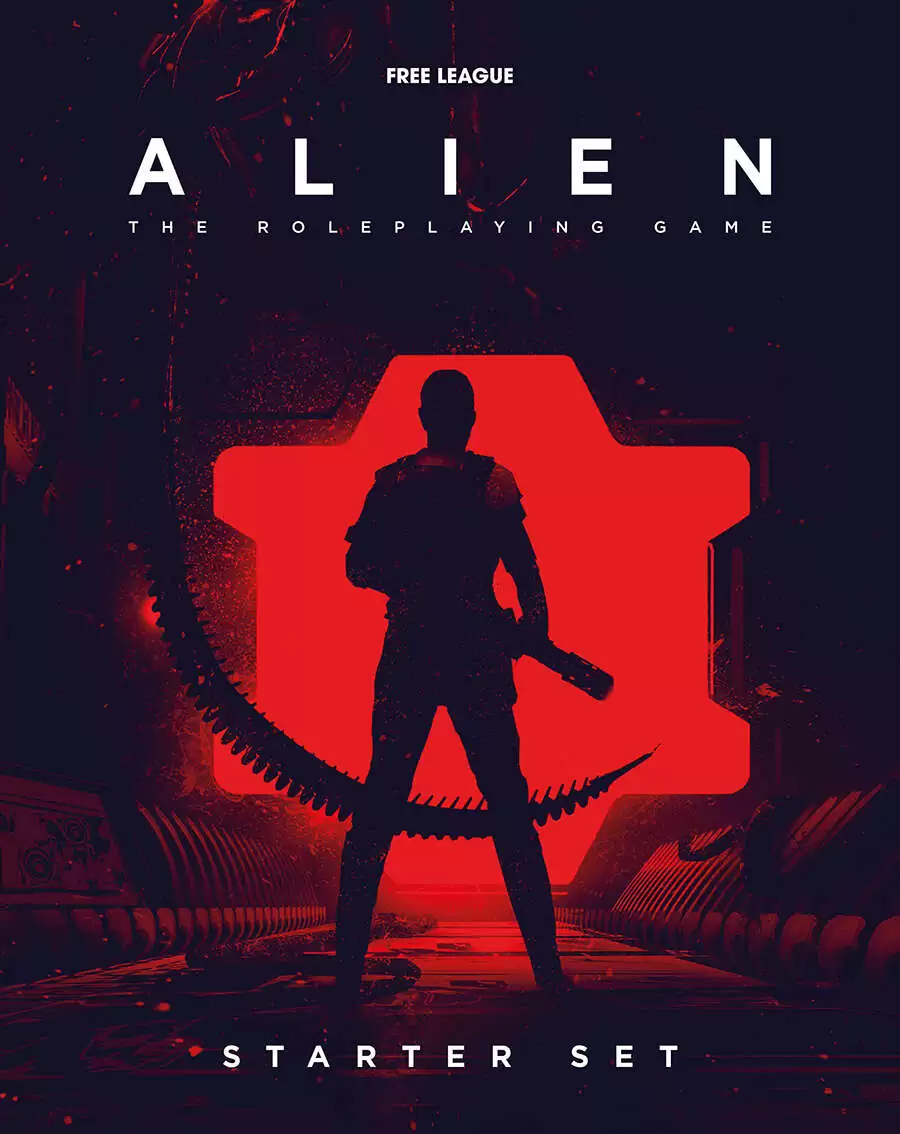
Now, what’s cool about this is that it very cleverly uses elegant game mechanics to support the narrative idea that with a bit of stress your characters can perform better, but with too much stress they will crumble under the pressure.
Take a bow, Free League Publishing #ChefsKiss
*There’s a new edition of this game currently in development, having completed crowdfunding recently, however the original content such as the excellent starter set adventure linked above is all compatible with minimal tweaking. The Stress Dice mechanic is being carried forwards into the new edition.
Game 2) Blades in the Dark - Progress Clocks
Progress Clocks may have originated in Apocalypse World, but Blades in the Dark popularized them and that’s what I’ve got on my shelf, so here we are.

I actually wrote a much more detailed piece on Progress Clocks recently. The idea here is that complicated or significant events within your game should A) Be telegraphed to your players, and B) shouldn’t boil down to a single dice roll because that robs them of their climax by failing to build towards it.
Instead, you draw up a Progress Clock and mark off segments from it as the named event in question becomes closer to passing. Many things can cause you to mark off a segment - actual real time, game time, close calls in game, errors in game, GM fiat, successes in game… all sorts.
The crucial thing is that no single one of these is the absolute cause of the clock being completed and the event coming to pass, and the tension is dragged out for maximum effect.
Game 3) Brindlewood Bay - Character Theories
Last week’s viral piece was actually all about how this mechanic inspired me when looking for a solution to running a game based on the series From, so for more detail on that, please head over there. In a nutshell, Brindlewood Bay is a Mystery game that turns your players table theories about the central conspiracy into the realities of the game’s narrative at your table. Whatever they think the big conspiracy is, as long as it checks out and passes some checks, then that’s what it is - no more complicated prepping for the GM, just turn up with a gist and some vibes!
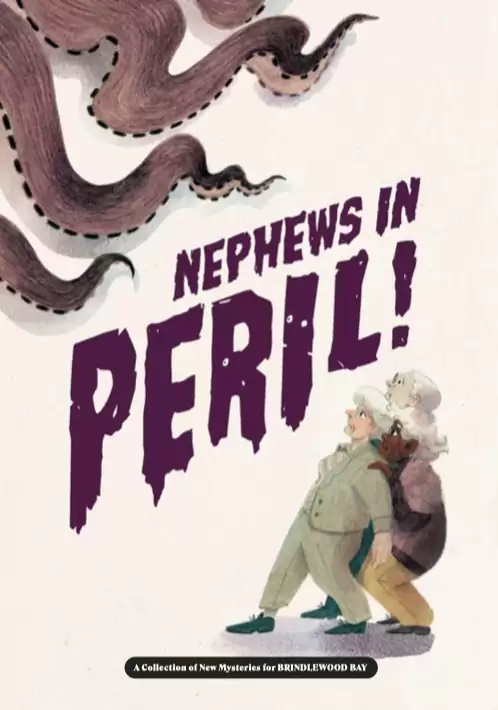
Anything that makes the GM’s life easier gets a double Fonzy thumbs up from me, but more than that - no more players becoming super frustrated that they’re unable to piece together some interwoven mystery exactly as was intended.
Quite possibly a very powerful tool in the GM’s box.
Game 4) Call of Cthulhu - Chase Scenes
I remember first learning about this mechanic whilst watching a Seth Skorkowsky video well before I owned Call of Cthulhu, it’s probably one of the earliest examples of me taking a great mechanic and pondering long and hard about how best to port it to other systems.
The problem with most games is that chase rules barely exist, and consequently people default to trying to simulate them using player stats. In something like D&D, movement speeds are all set by race. So if your chase is just you running and dashing, and then your pursuer doing the same all while under turn based initiative - it’s not exactly exciting is it, and the outcome is predetermined.
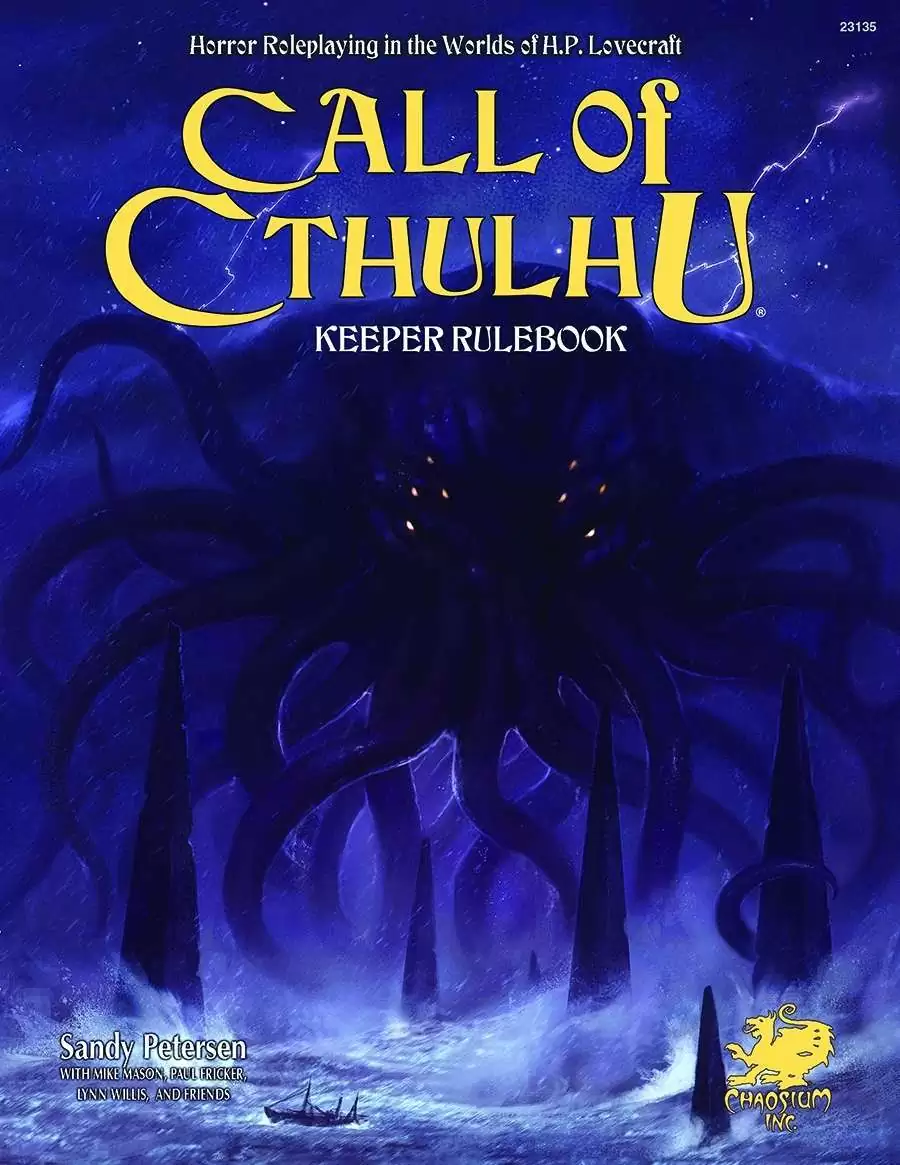
Cthulhu changed this, each actor starts off making a couple of rolls cross examining their stats to determine their chase speed, then you reduce the lowest actor’s chase speed from n to 1 and reduce the remaining actors speeds by that same amount.
The calculated value is the number of points a given actor may move this round. Chase scenes are an abstracted mini game unto themselves with all actors tracked on a kind of point crawl where the final point represents a successful escape. With interesting obstacles on most points requiring ability checks, faster players may find themselves stalled trying to clear a muddy swamp, allowing time for slower actors to catch up.
And that’s not all, the point crawl doesn’t need to be linear, you can have branching paths, so a shorter route might contain a difficult skill check, where a longer route might be clear. Makes for interesting choices.
The whole experience feels just like the horror movies that the system is trying to replicate.
Game 5) D&D 5e - Advantage and Disadvantage
As much as ‘Lizards Ate My Toast’ gets a chunk of stick from people, and fairly so in my opinion, D&D 5e is built upon a reasonably robust roll over d20 + mods system. Supporting this, by far the most elegant mechanic is Advantage and Disadvantage.
Rolling two dice and picking the best/worst result is such a neat way of stacking the odds one way or another that I generally find myself house ruling it into every game I run.
Gotta give them credit for that, even if it’s personally getting more and more difficult to give that particular corporate entity much credit at all lately.
Game 6) EZD6 - Make up your own Magic spells
I’ve always enjoyed the idea of removing limitations set by the game system over what actions you can take. For me, that’s one of the greatest joys of TTRPG play. Naturally, the idea of spells that you can make up yourself on the fly sits happily within that zone, but it usually comes with a cost.
Balance. Now, I don’t care much for encounter balance, but I do want characters to be balanced - I appreciate that there’s a nuance there. It’s always a sign of a failed system when a character just performs the same action over and over again because it’s so powerful that nothing else is necessary - the game quickly becomes stale and it’s because of poor character balance.
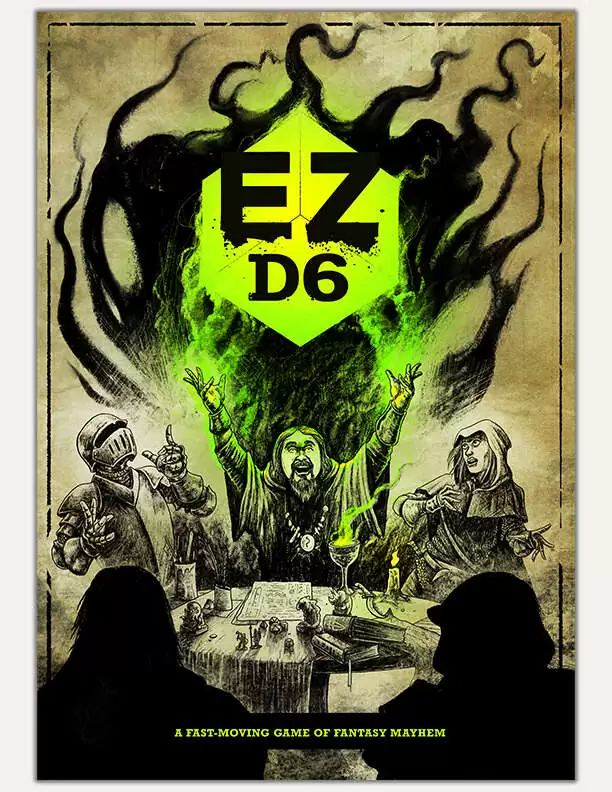
I think EZD6 manages to have it’s cake and eat it in this respect, because while magic is freeform and imaginative, its power is kept in check by the game’s streamlined damage system.
Most successful attacks only inflict a single wound. That means no spell becomes a go-to nuke, encouraging variety and creativity. The GM can always reward particularly clever or situationally appropriate spells (like using water magic against a fire creature) with extra impact, but the limited pool of Hero Dice and the Ruling over Rules philosophy ensures that balance stays firmly in the GM’s hands.
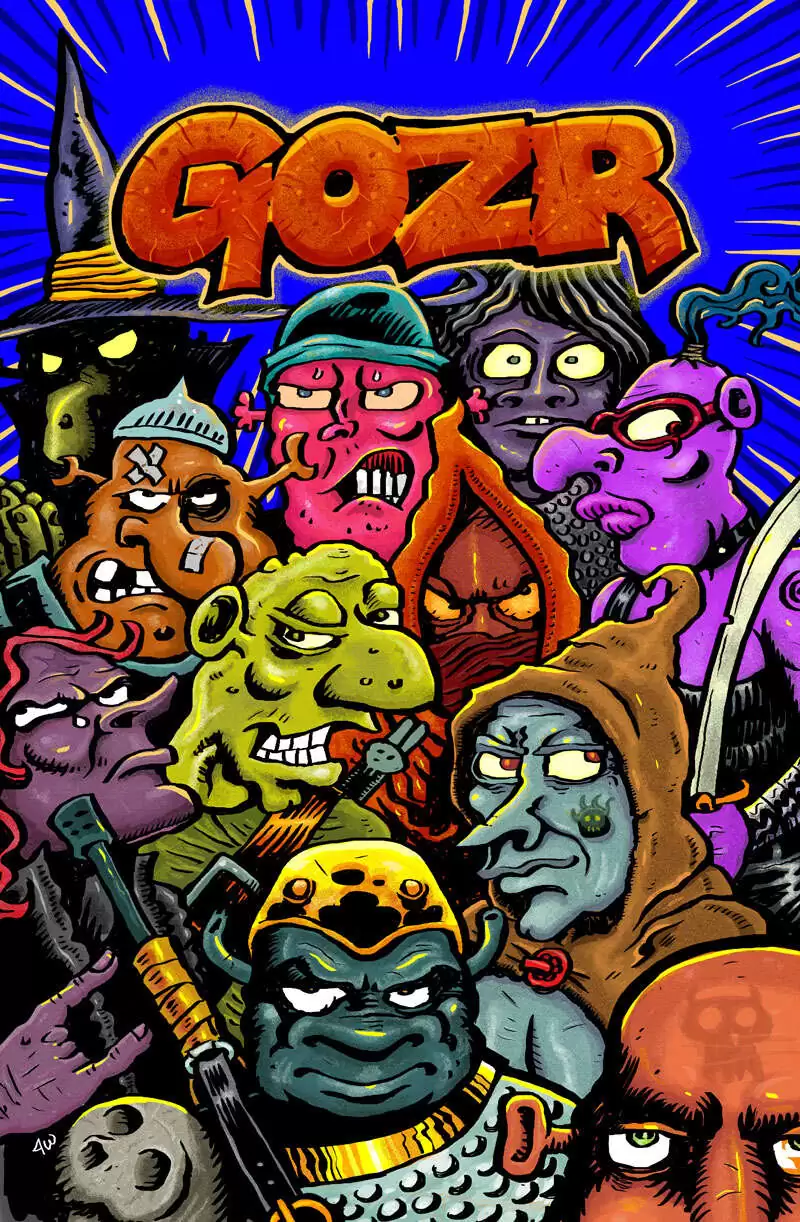
We all want our players to enjoy the games that they play with us, that’s why it’s nice that GOZR has the Death or Debasement mechanic: When your Gooz would die, the player picks if they would rather their Gooz is knocked out for the combat instead. If so, they take a pretty significant permanent debuff, representing a serious injury.
For those valiant few that elect to accept their fate and take the path that Grom intended, they get a buff to their next Gooz as a reward.
This is cool, because consequences, player choice, and agency are fully respected here leading to a situation where nobody gets an outcome that they’re unhappy with.
If you want to know more about GOZR, I wrote a little opinion piece on it a while ago, which includes a free cheat sheet also made by me. I’m also making progress on a compatible one-shot adventure, which will be published in a few months time.
If I have one mission in life, it’s to put GOZR in the hands of more people!
Game 8) Index Card RPG - Encounter Timers
I remember watching a video about encounter timers on Runehammer before he’d even released ICRPG.
The premise is that the absence of urgency is the enemy of interesting environmental exploration. Players with unlimited time to clear a room rapidly turn the game into a by-the-numbers snooze-along, because they’ve always got, and therefore will nearly always take the safe option of taking their time and doing everything carefully.
Exactly unlike any good action movie ever.
Come on now - Sometimes players just need poking, if only to save them from themselves!
Similar to progress clocks above, but much more focused and simple - ICRPG says that whenever characters enter a new room, the GM rolls a d4 and puts it out on the table. This represents how many rounds they have until ‘something bad happens’. It’s key that the players know the bad thing is coming, else they will miss the urgency, but you shouldn’t tell them exactly what it is - they should use their investigation skills to work out for themselves to see if they can nip the crisis in the bud, or else work on getting out of this room and onto the next as soon as possible.
The game itself lays out a menu for the GM on some suggested ‘bad things’, but encourages you to make up your own, whilst advising that not all ‘bad things’ should be fatal.
Now the action is coming in from all sides and the session is a non-stop thrill ride, huzzah!
Game 9) Mausritter - Pip Inventory System
Hands down, in my opinion, Mausritter* has the best inventory system of any TTRPG. So good that the first homebrew rule on this site was shamelessly ripped straight from it without remorse.
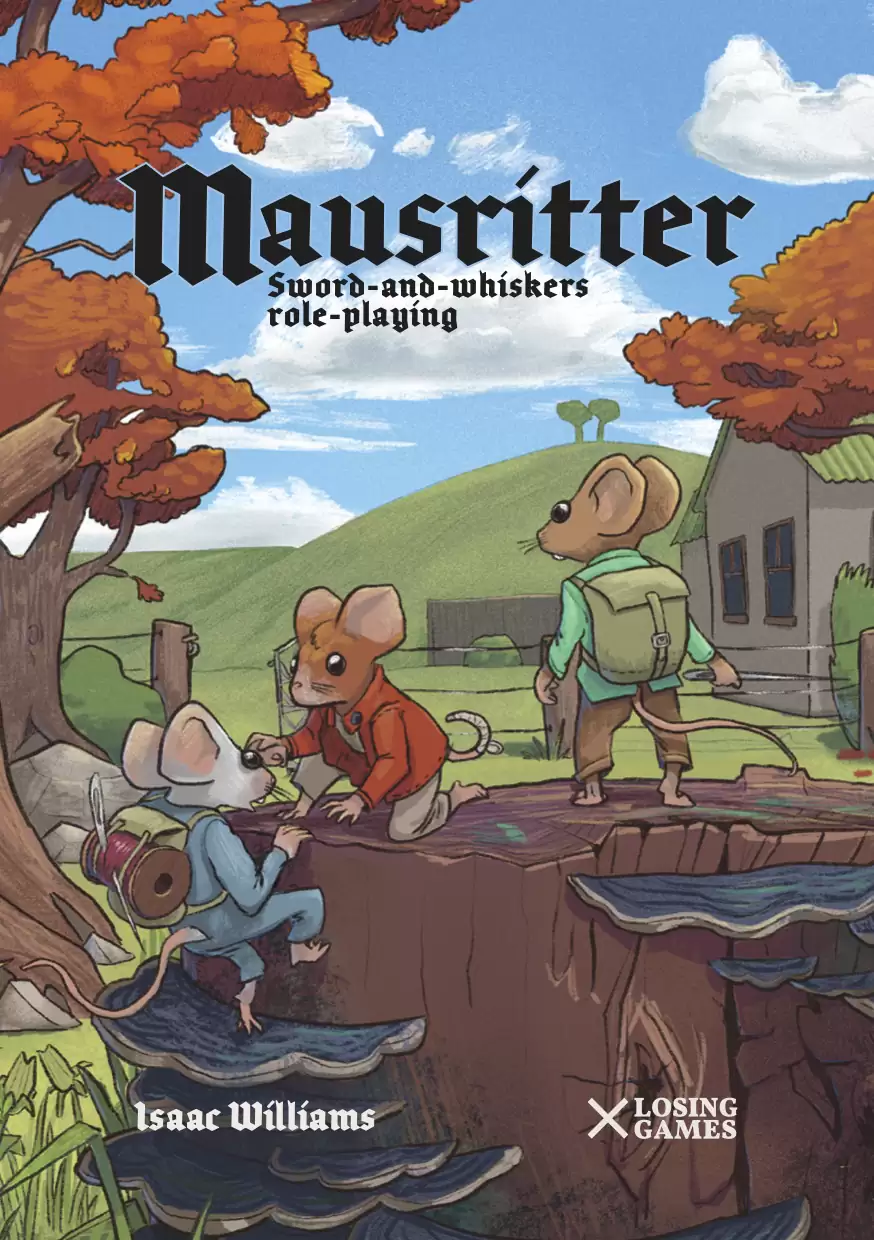
There’s two sides to this, firstly, each item in your inventory takes up a physical space on your character sheet, based off a gridded system. In the game, as you acquire wounds or other status changing conditions you represent those in the same area. This means that the mechanics are beautifully representing the narrative that the more FUBAR’d you are, the weaker you become and the less loot and gear that you can haul around with you.
Secondly, each item is printed on glossy paper than can be written on with dry wipe markers, this is so that you can fill in the pips on each item to abstractly reflect their dwindling quality or quantity. Rolling to check if they depreciate after use is a fair way to make sure that the in game economy keeps turning over and ensures that gear isn’t just a set it and forget it deal.
Really elegant, and a true masterclass in game design.
*Even better, Mausritter PDF is pay what you want, which means you can pick it up for free from the link above!
Game 10) Mothership 1e - Telegraphing Monster Attacks
This is one of those huge game changing mechanics for me that I use all the time in other systems. It seems so counter intuitive, and yet in practice works absolutely brilliantly.
The bizarre thing is that Mothership 1e* is not overtly explicit about this rule, and instead offers choices to the GM depending on which core book your reference, which in turn comes across more as inconsistencies in the rules!
But that truth bomb aside, don’t let that dissuade you. With the help of community engagement from the author, Sean McCoy, Mothership 1e has been demystified and what lies beneath is a brilliant game with a fantastic mechanic that both allows you to represent truly deadly and terrifying monsters to your player characters, but also keeps agency and control firmly in the hands of the players to avoid that feeling of GM fiat deciding that you are now dead.
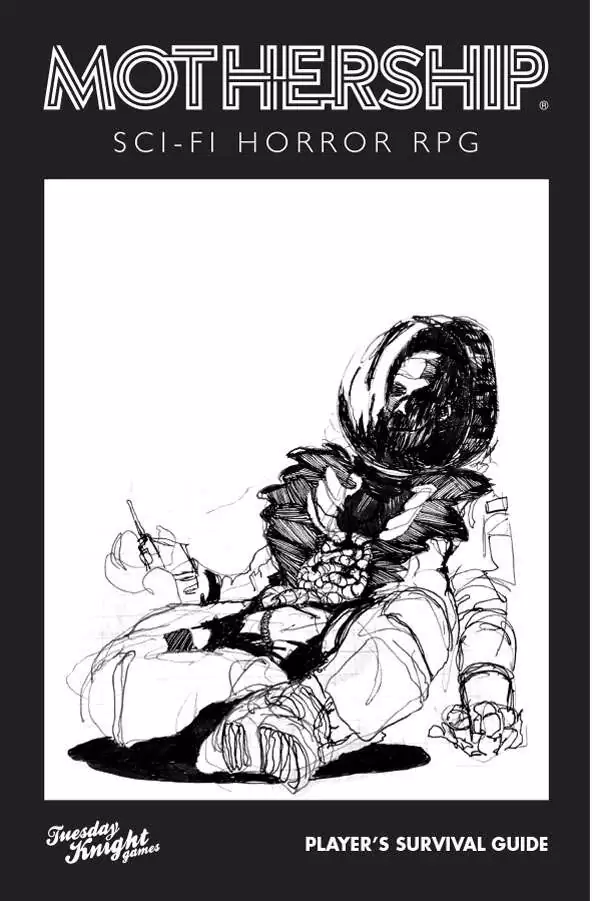
In Mothership, the monsters do not roll to hit, simply they roll to damage - often with devastating impact. To counter this, at the start of a round, you tell your players exactly what it is that the monster is going to attempt to do this turn unless they change the situation. Some players may chose to stand their ground and duke it out, others might attempt to diffuse the danger.
For example:
GM: “Terry, the Xenomorph snarls at you from down the corridor. It is about to run and jump upon you, with the intent of clawing at your chest.”
Terry: “Can I jump into the laundry chute just off to my side to avoid this?“
GM: “I sure hope so, make a roll for me“
Terry: “Success!“
GM: “Phew that was close, you dive into the chute just as the Xenomorph lands with an elegant clatter at the position you just occupied“
For me this is a fantastic balance between deadly monsters and avoiding gotcha moments for the players. If you want to read more about this and an extra house rule I apply to avoid GM Conflict of Interest, you should check out this post.
*Mothership 1e PDF is pay what you want, which means you can pick it up for free from the link above!
Game 11) Shadowdark - Real Time Torch Timer
If you’ve ever tried to run an old school dungeon crawl, with proper turn counting and resource tracking for things like light and magic effects, you should be able to empathise here.
Now I’m not saying that this original method is bad, please keep your pitchforks secured away in your overhead lockers, but for me and for my players we struggle to adapt from the freeform style we’ve grown accustomed to, towards the more bookkeeping heavy style which requires segregating the gameplay into smaller turn chunks and recording dwindling resources per turn.
So a very cool initiative for me was Shadowdark’s* use of real time to track how long a torch will last in a dungeon using a timer on your smartphone.
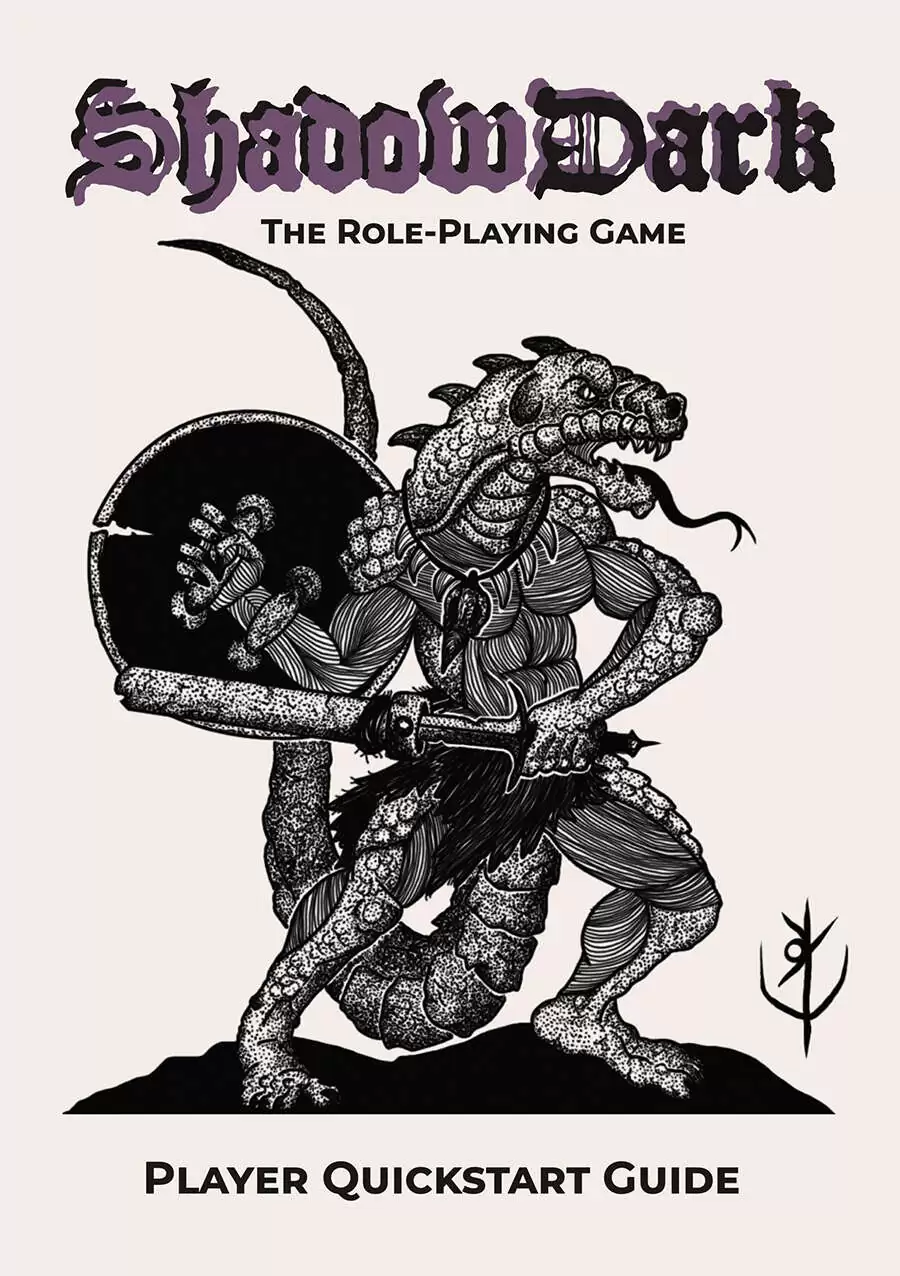
In fact this mechanic has inspired two articles from me, in one, I developed an Android app and give it away for free which uses randomised real time within a given range, to remind the GM to roll for a random encounter when an alert sounds.
In the second, I discuss using real time as an ever dwindling currency at the table, inspired by the film “Lifetime”.
*The quickstart guide is available for free at the link above!
Conclusion
There you have it. Which do you think sounds best? Which of these mechanics would you steal for your own game? Got one I missed? Drop it in the comments, I'd love to check it out.
Hey, thanks for reading - you’re good people. If you’ve enjoyed reading this, it’d be great if you could share it on your socials, and maybe think about subscribing to the Mailer of Many Things for monthly updates from DMT straight to your inbox! If you’ve still got some time to kill, Perhaps I can persuade you to click through below to another one of my other posts? Either way, catch you later.
This post contains affiliate links
A core dice roll is a bundle of variables that shape how a game feels, how players assess risk, and how much work the GM has to do. This post breaks down the five big factors inside the dice loop: who sets the target, what shape the randomness takes, how odds get modified, how outcomes are interpreted, and when you should actually roll in the first place. Each of these choices changes tension, pacing, tone, and player responsibility.